THORSwap
THORSwap Fees Explained: What You Pay and Why in a thorswap swap
Understanding fees is one of the most important steps for anyone entering decentralized finance. Unlike centralized exchanges, where costs are often hidden inside spreads or service charges, decentralized protocols are designed to make fees transparent and algorithm-driven. This is especially true when performing a thorswap swap, where every cost has a specific purpose tied to network security and liquidity incentives.
THORSwap is a non-custodial interface built on THORChain that enables native cross-chain swaps. Users interact directly with decentralized liquidity pools rather than intermediaries. Most newcomers explore fee mechanics for the first time directly on thorswap swap, where estimated costs are displayed before confirming a transaction.

What Fees Exist in a thorswap swap
A thorswap swap does not rely on a single flat fee. Instead, costs are distributed across different layers of the protocol, each serving a distinct role.
Common fee components include:
Liquidity fees paid to pool providers
Network fees paid to underlying blockchains
Protocol-level incentives for security
These fees are combined dynamically, depending on swap size and network conditions.
Why Fees Are Not Fixed
Unlike centralized exchanges, decentralized systems must react to:
Liquidity depth
Market volatility
Blockchain congestion
As a result, fees fluctuate to protect the system and its participants.
Liquidity Fees in thorswap swap
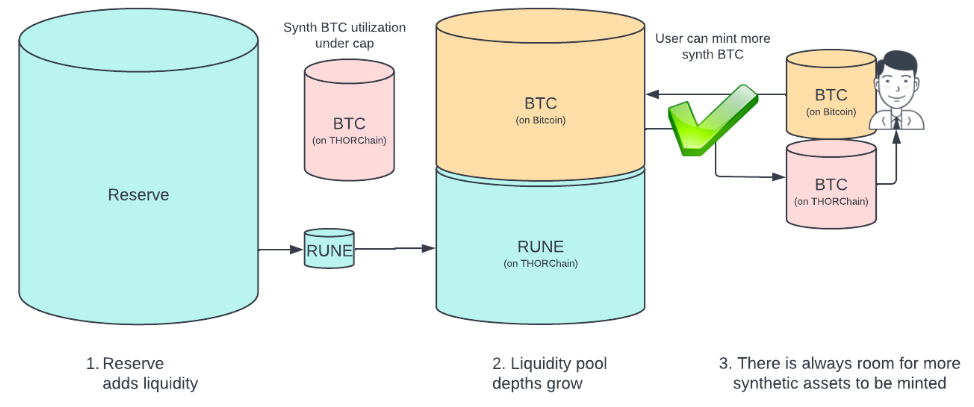
Liquidity fees are the most important cost element. They compensate users who deposit assets into liquidity pools and enable cross-chain trading.
Liquidity fees:
Increase with larger trade sizes
Protect pools from imbalance
Reward long-term liquidity providers
This mechanism discourages trades that would significantly disrupt pool ratios.
The Role of Pool Depth
Deeper pools generally mean:
Lower slippage
More stable pricing
More efficient swaps
Shallow pools, on the other hand, result in higher fees to offset risk.
Network Fees and Blockchain Costs
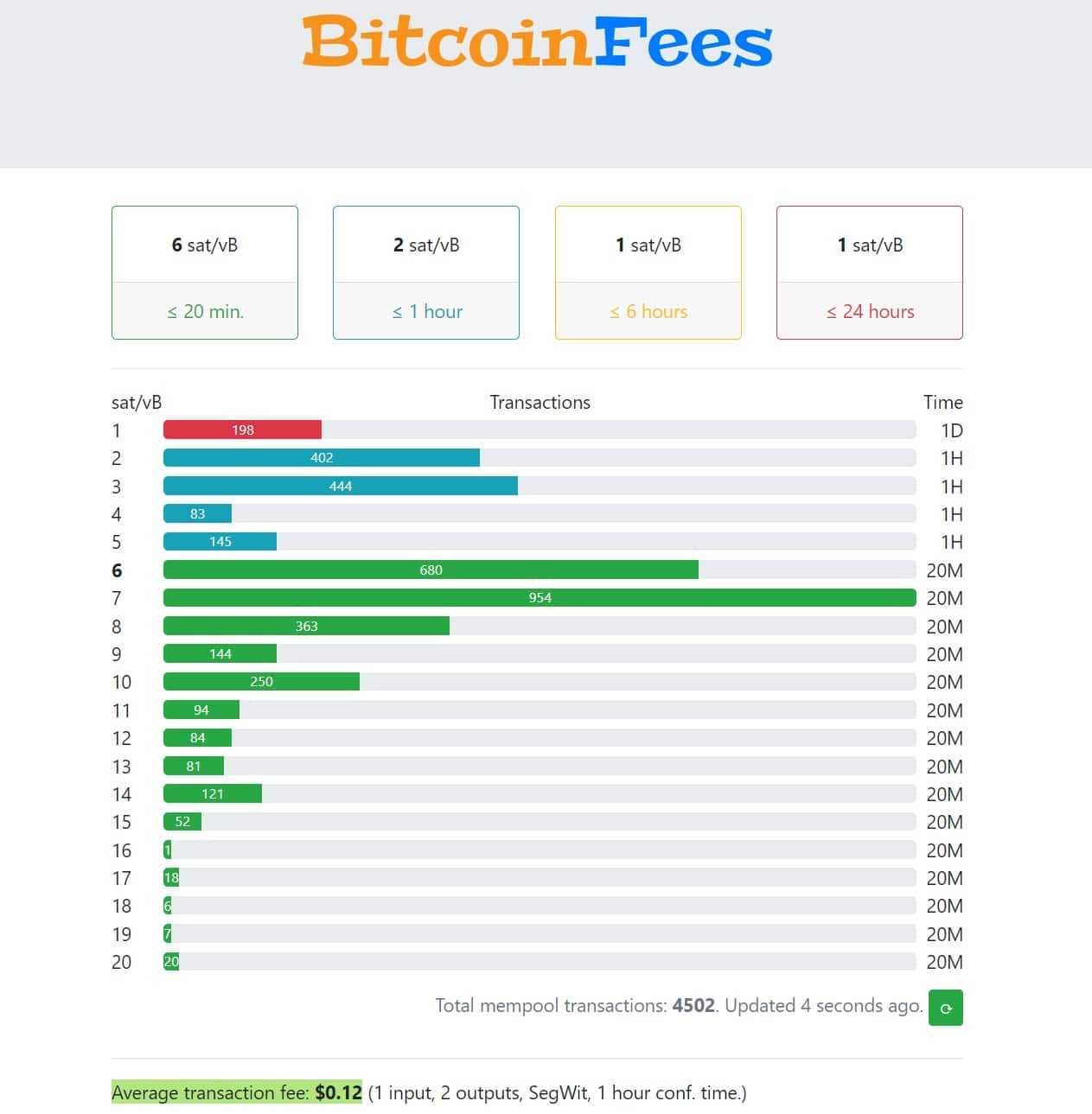
Every thorswap swap interacts with one or more blockchains. Each blockchain charges its own transaction fee, commonly known as a gas fee.
Network fees depend on:
The source blockchain
The destination blockchain
Current congestion levels
These fees are external to THORSwap and are passed through transparently.
Why Network Fees Vary So Much
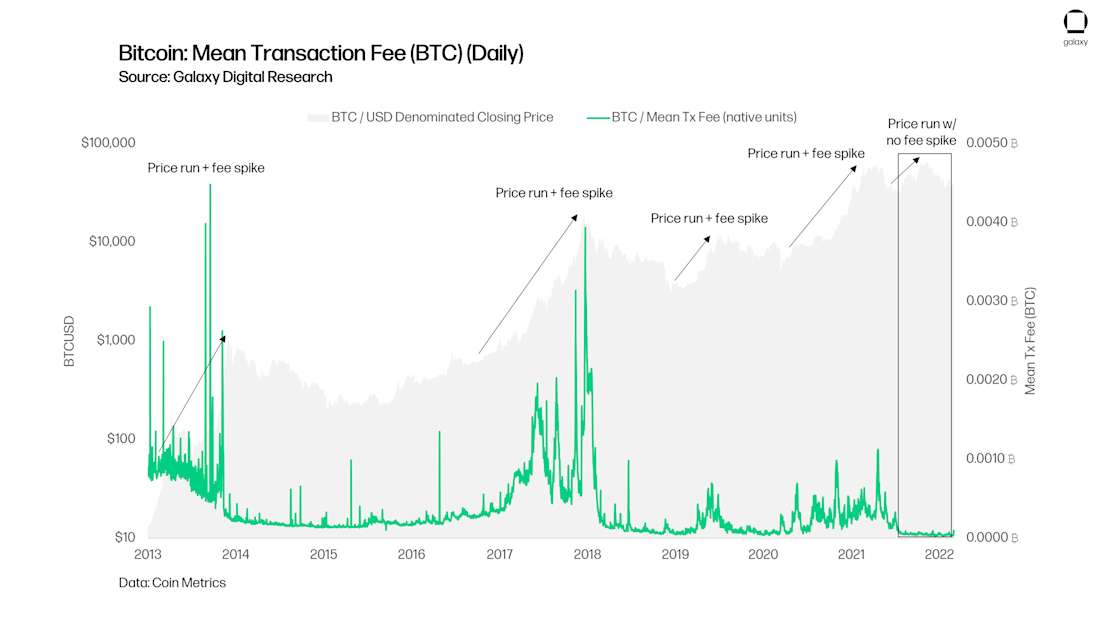
Blockchain fees fluctuate because:
Block space is limited
Demand changes constantly
Priority is given to higher-fee transactions
Educational resources on how blockchain fees work in general can be found at https://ethereum.org, which explains transaction pricing and network congestion in detail.
Protocol Incentives and Security Costs
Beyond liquidity and network fees, part of the cost supports protocol security.
These incentives:
Reward validator nodes
Secure cross-chain vaults
Maintain decentralized consensus
Without these incentives, the network would be vulnerable to attacks or downtime.
Economic Security Through Fees
Rather than charging arbitrary commissions:
Fees align incentives
Bad behavior is penalized
Honest participation is rewarded
This economic model underpins the trustworthiness of every thorswap swap.
How thorswap swap Displays Fees to Users
One of THORSwap’s strengths is fee transparency. Before confirming a swap, users can review:
Estimated output amount
Liquidity fee impact
Network fee estimates
This allows informed decision-making without hidden surprises.
Why Transparency Matters in DeFi
Transparent fees help users:
Compare decentralized options
Avoid predatory pricing
Understand true transaction costs
This approach contrasts sharply with many centralized platforms.
Comparing thorswap swap Fees to Centralized Exchanges
While centralized exchanges often appear cheaper at first glance, their true costs may include:
Withdrawal fees
Custodial risk
Spread manipulation
In contrast, thorswap swap fees are:
Algorithmic
Market-driven
Visible before execution
Analyses of DeFi costs and centralized exchange models are frequently discussed in mainstream financial media such as https://www.forbes.com.
When Higher Fees Can Be Justified
Higher fees may be acceptable when users value:
Self-custody
Cross-chain flexibility
Censorship resistance
Cost should always be weighed against control and security.
Reducing Fees During a thorswap swap
Although fees cannot be eliminated entirely, users can reduce costs by following best practices.
Helpful strategies include:
Swapping smaller amounts
Choosing times of low congestion
Avoiding illiquid asset pairs
These habits improve efficiency without compromising decentralization.
Risk Awareness for Beginners
New users should:
Start with test-sized swaps
Review fee breakdowns carefully
Avoid rushing transactions
This builds confidence while minimizing unnecessary losses.
When Fees Are a Sign of System Health
In decentralized systems, fees are not just costs. They signal:
Demand for liquidity
Network usage
Economic sustainability
A functioning fee model ensures long-term viability.
Reviewing Fees Before Every Swap
Experienced users often revisit thorswap swap before confirming a transaction to check:
Updated liquidity conditions
Estimated slippage
Current network fees
This habit helps optimize outcomes in volatile markets.
Final Thoughts on thorswap swap Fees
Fees are an essential part of decentralized finance, not an inconvenience. In the case of thorswap swap, every fee exists to support liquidity, security, and cross-chain functionality. By understanding what you pay and why, you gain more control over your DeFi activity.
Before executing your next trade, it’s wise to return to thorswap swap, review the fee estimates, and ensure the transaction aligns with your goals. In decentralized finance, informed users are empowered users.