THORSwap
Security on THORSwap: Common Risks and How to Stay Safe With thorswap swap
Security is one of the most important considerations in decentralized finance. While DeFi removes many risks associated with centralized intermediaries, it also places greater responsibility on users. This is especially true when performing a thorswap swap, where assets move across different blockchains through decentralized liquidity pools.
THORSwap is a non-custodial interface built on THORChain that enables native cross-chain swaps without wrapped assets. Many users explore decentralized cross-chain trading for the first time via thorswap swap, making it essential to understand the security model, potential risks, and best practices before transacting.
Understanding the Security Model Behind thorswap swap
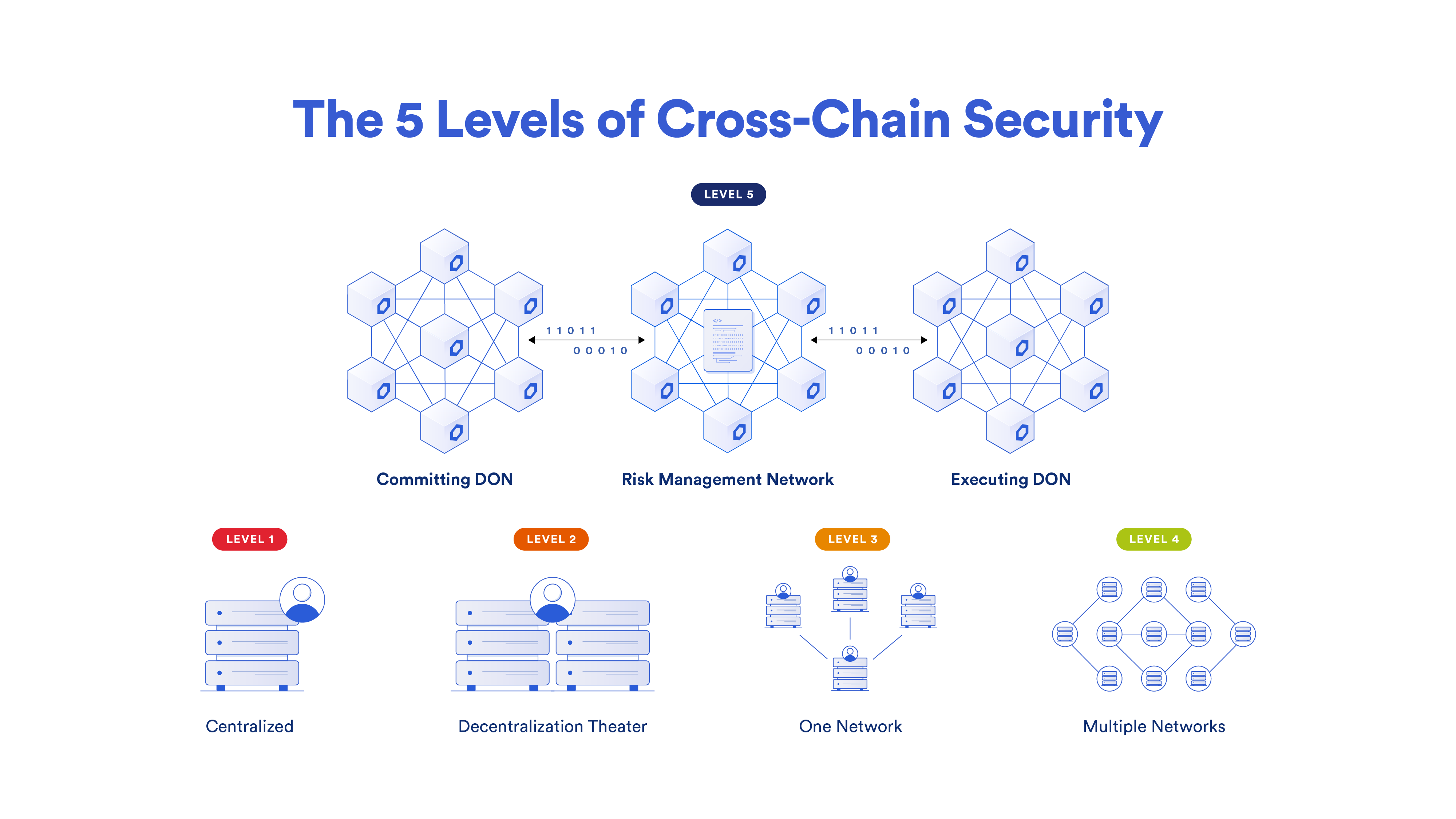
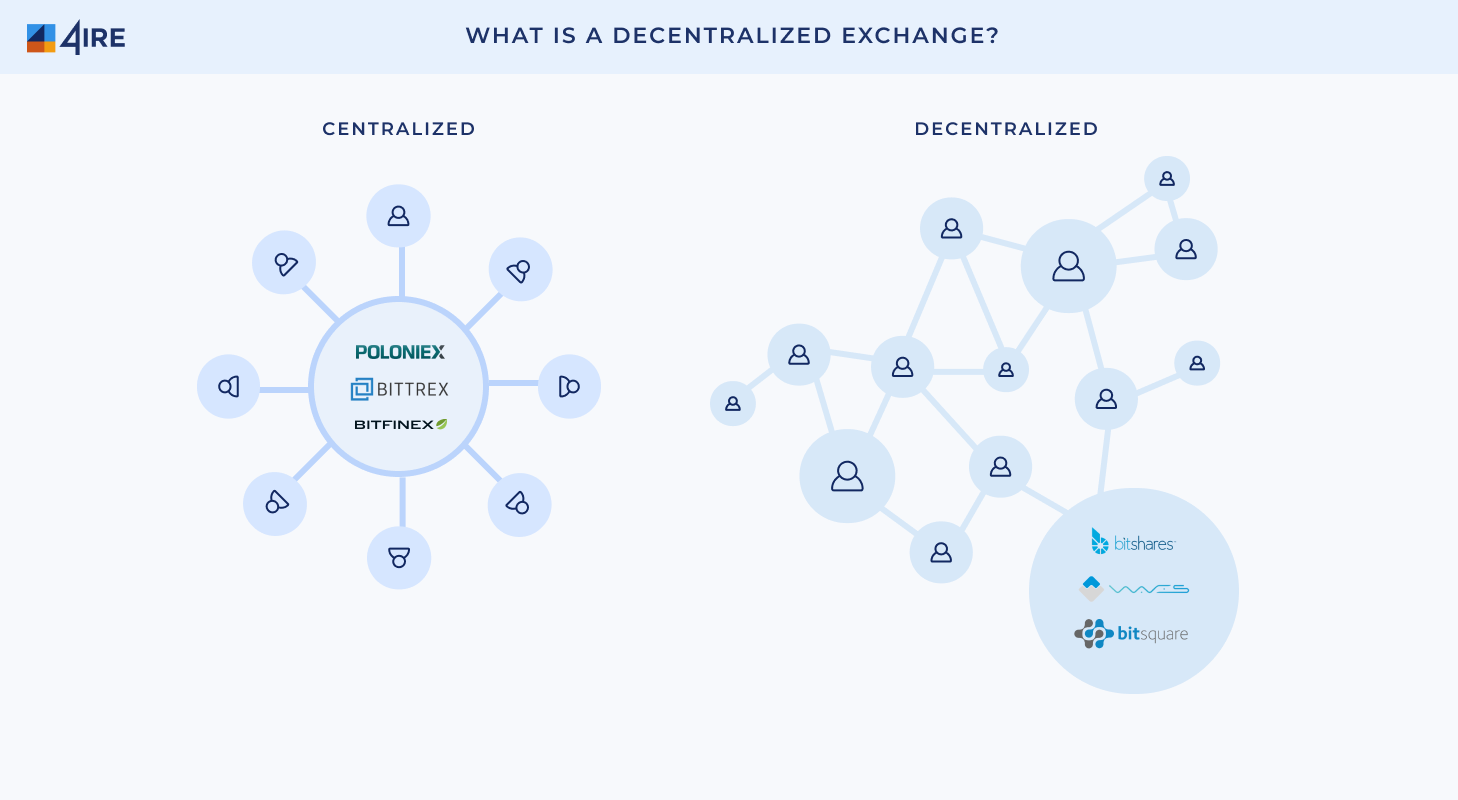
The foundation of a thorswap swap is decentralization. Unlike centralized exchanges, there is no single entity holding user funds.
Key security characteristics include:
Non-custodial wallet connections
Native asset liquidity pools
Decentralized validator nodes
Transparent, on-chain execution
This architecture reduces custodial risk but does not eliminate all threats.
Why Non-Custodial Does Not Mean Risk-Free
While users retain control of their assets:
Smart contracts still carry technical risk
User mistakes are irreversible
Network congestion can affect execution
Understanding these realities is crucial for safe participation.
Smart Contract Risks in thorswap swap
Smart contracts automate swaps, liquidity management, and routing. Although these contracts are audited and open-source, they are not immune to risk.
Potential smart contract risks include:
Undiscovered bugs
Unexpected interactions during extreme market conditions
Exploits targeting complex logic
These risks are inherent to all DeFi platforms, not just THORSwap.
How Protocol Design Reduces Risk
THORChain’s design helps mitigate smart contract risk by:
Limiting contract complexity where possible
Using economic incentives to discourage attacks
Continuously improving code through community review
Education on how smart contracts function is widely available through trusted technical resources such as https://ethereum.org.
Liquidity Pool Risks and thorswap swap
Liquidity pools are essential for cross-chain swaps, but they introduce specific risks users should understand.
Common liquidity-related risks include:
Impermanent loss for liquidity providers
Slippage during large trades
Reduced efficiency in shallow pools
For traders executing a thorswap swap, slippage is the most relevant concern.
How Slippage Affects Security
High slippage can:
Reduce expected output
Create unfavorable pricing
Signal low pool depth
Always review swap estimates carefully before confirming.
Network-Level Risks in Cross-Chain Swaps
Cross-chain swaps interact with multiple blockchains, each with its own conditions and constraints.
Network risks include:
Blockchain congestion
Delayed confirmations
Temporary halts on specific chains
These factors are external to THORSwap but can impact swap completion times.
Managing Network Uncertainty
To reduce exposure:
Avoid peak congestion periods
Monitor blockchain status
Be patient with confirmations
Awareness helps prevent unnecessary panic or repeated transactions.
User Error: The Most Common Risk in thorswap swap
In decentralized systems, user error is one of the biggest security threats.
Frequent mistakes include:
Sending assets on the wrong network
Approving incorrect transaction details
Ignoring fee and slippage warnings
Unlike centralized exchanges, there is no support desk to reverse errors.
Developing Safe User Habits
Safe habits include:
Double-checking wallet addresses
Starting with small test swaps
Reviewing transaction summaries carefully
These steps dramatically reduce avoidable losses.
Wallet Security and Private Key Protection
Your wallet is your security perimeter.
Best practices for wallet safety:
Never share private keys or seed phrases
Use hardware wallets when possible
Keep software updated
Avoid signing unknown transactions
A secure wallet setup is essential for every thorswap swap.
Recognizing Phishing Attempts
Phishing remains a major threat in DeFi.
Watch out for:
Fake websites imitating THORSwap
Unsolicited messages offering support
Links promising guaranteed profits
Always access platforms directly and verify URLs manually.
How thorswap swap Improves Transparency
Transparency is a powerful security feature.
Before executing a swap, users can see:
Estimated output
Liquidity impact
Network fees
This visibility allows informed decisions and reduces hidden risks.
Why Transparency Builds Trust
Transparent systems:
Reduce information asymmetry
Encourage responsible usage
Empower user education
This aligns closely with DeFi’s core principles.
External Risks Beyond the Protocol
Some risks exist outside the protocol itself.
These include:
Regulatory changes
Market-wide volatility
Social engineering attacks
While THORSwap cannot control these factors, users can stay informed.
High-level discussions on crypto risk and security trends are frequently published by mainstream financial outlets such as https://www.forbes.com.
Practical Safety Checklist for thorswap swap
Before every swap, review:
Wallet connection authenticity
Asset compatibility
Fee and slippage estimates
Network conditions
This checklist helps minimize risk regardless of experience level.
Staying Safe Over the Long Term
Security is not a one-time action but an ongoing process.
Long-term best practices include:
Continuous learning
Monitoring protocol updates
Adapting to new threats
The DeFi landscape evolves quickly, and informed users stay ahead.
Reviewing Security Before You Swap
Many experienced users revisit thorswap swap before executing a transaction to reassess pool depth, fees, and current network conditions. This habit reinforces safe decision-making and reduces impulsive actions.
Conclusion: Security Is a Shared Responsibility
A thorswap swap offers powerful decentralized cross-chain functionality, but security depends on both protocol design and user behavior. THORSwap’s non-custodial architecture, transparent fees, and decentralized validation provide a strong foundation. However, understanding risks and applying best practices is essential.
Before your next transaction, take time to review details on thorswap swap, verify wallet security, and approach every swap with caution. In decentralized finance, informed and careful users are the safest users.